
Types of honing steels: when and how to use the one you need
At some point in a knife’s lifespan, it stops cutting as well as it did when it was new. You notice it crushing a tomato instead of slicing through it; it requires more force to use and even makes cooking significantly more uncomfortable than usual. That is precisely the moment you realize your knife needs sharpening. However, there is often a simpler preliminary step that we tend to overlook simply because we aren’t aware of it: using a honing steel.
If you have ever wondered what a honing steel is, what types are available, and whether you really need one in your kitchen, you have come to the right place. Together with our knife experts, we will explain which one you need and how to use it to perfection.
What is a honing steel and what is it used for?

Types of honing steels: which one to choose based on your knife
Actually, there isn’t just one type of honing steel for every situation. There are several types, each serving a completely different purpose.
Steel honing rod
The steel honing rod is the most traditional option and the one most commonly seen in professional kitchens. Its function is to realign the edge without removing significant material from the blade.
It is an excellent choice for European stainless steel knives used at home that still cut reasonably well and simply need regular maintenance.
If you use your knives frequently, running the blade along a steel honing rod a few times a week can help improve your kitchen tools’ performance.
Diamond honing rod
This is the most aggressive of the three. As the name suggests, the diamond honing rod features small particles of industrial diamond capable of removing material from the blade and restoring edges that have become very dull.
It is ideal for very dull knives, blades requiring more intensive restoration, and for users who have plenty of experience with this tool.
Since it removes material, we recommend using it sparingly; it is not designed for daily maintenance.
Which honing steel to buy based on your usage level
It depends on the knives you have in your kitchen and your own habits.
If you cook only occasionally and simply want to keep your blades in perfect condition, a steel honing rod is more than enough. However, if you are passionate about cooking and looking for a somewhat more versatile solution, a ceramic rod offers an excellent balance between maintenance and edge restoration.
And if your knives are heavily worn, don’t hesitate—opt for a diamond honing rod. It will be your greatest ally in the process.
How to use a honing steel correctly
Choosing the right honing steel for your needs is just as important as knowing how to use it perfectly.
The movement should be smooth and controlled at all times. It is not about mimicking the scenes you see on your favorite cooking shows; the idea is to rest the tip of the steel on a stable surface and slide the blade from base to tip while maintaining a constant angle throughout.
For most Western-style knives, we recommend an angle of approximately 15 to 20 degrees. Remember, the speed of the movement matters less than the consistency of the process itself. Avoid applying excessive pressure or letting the angle waver while honing.
Typically, using it once or twice a week is more than enough. If you cook every day, you can even use it before each cooking session. The key is not to wait until your knife stops cutting altogether before using it; a honing steel is a maintenance tool, not an emergency fix.
Start using a honing steel today, and you will see a complete transformation in your knife’s lifespan and performance.
Tal vez también te interese:
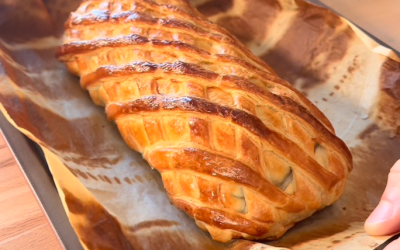
Wellington Tenderloin by Willy
Discover how to prepare a delicious Wellington Tenderloin: an elegant recipe with puff pastry, ham, sautéed vegetables, and a touch of mustard. Perfect for special occasions!.
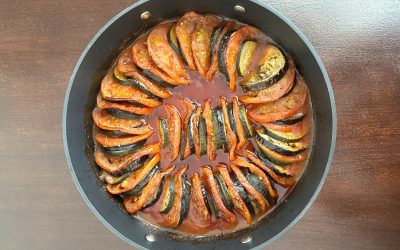
Ratatouille by Recetas de Willy
A French dish known for its simplicity and flavor. This Provençal vegetable stew brings together fresh veggies for a healthy, colorful meal.

Care and Maintenance of Stainless Steel Frying Pans
Talking about a stainless steel frying pan is talking about three top qualities in any kitchen: durability, resilience, and style. And while it’s true these pans are pretty much indestructible, they do need a bit of TLC if you want them to keep shining and performing just like they did when you first took them out of the box.