
The perfect steak knife: how to choose it and why it changes your dining experience
We invest time in choosing quality meat, carefully monitoring its doneness at every stage, and even selecting the right wine for the perfect pairing. Yet, when the moment comes to sit down and enjoy the meal, we lack a good knife capable of slicing that ribeye to perfection.
In the end, the meat tears and loses its juiciness, and the experience falls short of the quality of the dish we’ve prepared.
A steak knife is not merely another piece of cutlery or a kitchen accessory; it is a tool specifically designed to let you enjoy meat exactly as it is meant to be savored. We guarantee that once you try a high-quality one, you won’t want to use anything else.
What is a steak knife and what is it used for?
As we mentioned a moment ago, a steak knife is designed specifically to cut meat cleanly, comfortably, and precisely right at the table.
Unlike standard table knives, the steak knife features a blade specially engineered to slice through fibers, fat, and tougher sections without requiring excessive force.
Its purpose is not to assist with cooking or food preparation, but rather to ensure a comfortable dining experience when cutting into a chop, sirloin, tenderloin, or a delicious thick-cut steak.
That is why this knife is also known as a table steak knife.
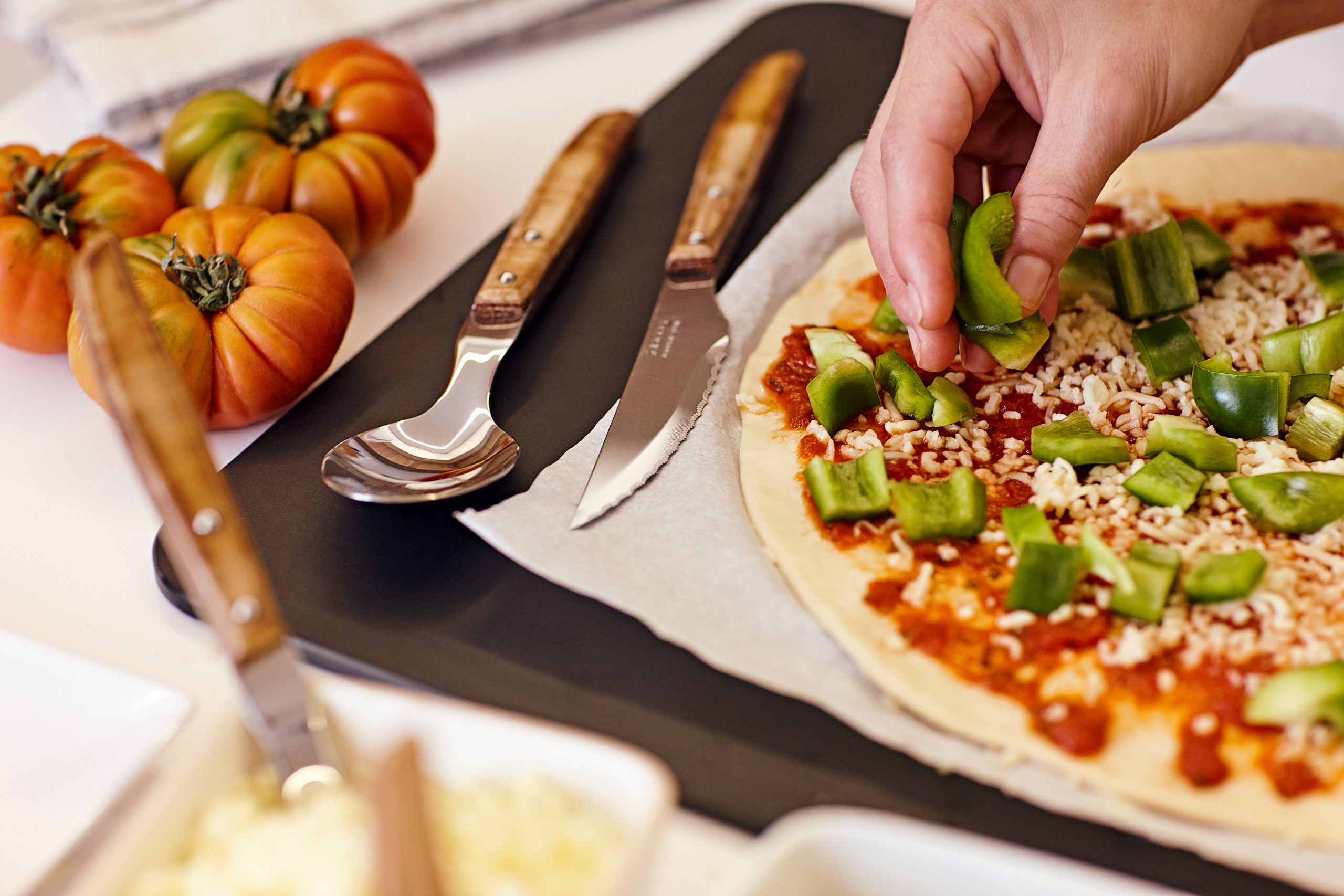
What distinguishes a steak knife from a standard table knife?
If you take a moment to examine them closely, you will see that these knives are quite similar, yet there are important differences that we will explain today.
The first difference lies in the blade. While a traditional table knife usually features a simple edge designed for softer foods, a steak knife incorporates a specific design that allows you to cut meat without tearing it.
Furthermore, it typically offers superior cutting performance, better penetration into the meat, greater stability during use, and a much more comfortable feel in your hand.
Why a bad knife can ruin good meat
When we notice that the knife in front of us isn’t cutting as well as we’d like, we instinctively apply more pressure to get the job done. This causes the meat to tear rather than slice cleanly, leading to a loss of juices and even allowing the meat to cool down while we struggle with it.
Although it might not be immediately obvious, a poor cutting experience can directly impact the overall dining experience. It doesn’t matter if the meat is excellent; if it is difficult to cut, the enjoyment will suffer. We can guarantee that.
That is why, when someone asks which knife should be used to cut meat, the answer is quite clear: a knife specifically designed for that purpose.
Plain or serrated edge: which one to choose?
One of the most common questions when buying steak knives is whether to choose a straight edge or a serrated one.
It is true that the serrated steak knife is the most popular choice. Its toothed edge allows for easy cutting, even when the blade has lost some of its sharpness. They are also excellent for barbecues, handling everything from standard chops to meats with a seared crust or a layer of exterior fat. They are a practical, highly recommended option for home use.
On the other hand, straight-edge models deliver extremely clean, elegant cuts. They are particularly prized by those who enjoy premium cuts of meat and seek a more refined dining experience. However, they do require more consistent maintenance to ensure they continue to perform at their best.
Since every table setting and set of needs is different, our advice for daily home use is to choose balanced, versatile steak knives that work well for any meal. For barbecues and casual gatherings, robust designs tend to be the winners. And if you want to be the ultimate host, opt for collections with premium finishes—such as the Arcos Gregorio series—to elevate the dining experience.
How to care for a set of steak knives
To keep these knives in perfect condition, the ideal approach is to wash them by hand using warm water and mild soap, drying them immediately afterward. This is the best method.
While it is true that many steak knife models are dishwasher-safe, we recommend continuing to wash them by hand; this is the best way to preserve the sharpness of the blade and the finish of the handle. When storing them, keep them in a designated spot and avoid subjecting the blades to unnecessary knocks or impacts.
You should only consider replacing your set of steak knives when the blade no longer performs effectively.
Finally, there is one more thing to remember: the best steak knives are the ones that let you forget you are even using a knife. With these models, you will find that every cut of meat feels natural, comfortable, and precise.
Tal vez también te interese:
Wellington Tenderloin by Willy
Discover how to prepare a delicious Wellington Tenderloin: an elegant recipe with puff pastry, ham, sautéed vegetables, and a touch of mustard. Perfect for special occasions!.
Ratatouille by Recetas de Willy
A French dish known for its simplicity and flavor. This Provençal vegetable stew brings together fresh veggies for a healthy, colorful meal.

Care and Maintenance of Stainless Steel Frying Pans
Talking about a stainless steel frying pan is talking about three top qualities in any kitchen: durability, resilience, and style. And while it’s true these pans are pretty much indestructible, they do need a bit of TLC if you want them to keep shining and performing just like they did when you first took them out of the box.