
How to open an oyster correctly
Open an oyster properly
Oysters are one of the most coveted delicacies for seafood lovers. Their delicate texture, exquisite, unique marine flavor, and that melt-in-your-mouth freshness make them irresistible. Between you and me, enjoying a freshly shucked oyster is one of life’s greatest culinary pleasures. However, opening an oyster can seem like a complicated task, almost reserved for seafood professionals or highly experienced chefs. Well, today you’re going to learn that the reality is quite different, as anyone can do it as long as they have the right tools and follow the correct technique.
At Arcos, we want to help you enjoy this gastronomic experience safely and cleanly. That’s why we’ve prepared a complete guide on how to properly open an oyster without any mishaps, what you should consider before handling it, and how to ensure it opens easily without losing a single drop of its juices. We’ll also show you why a good set of seafood tools is essential in your kitchen.
How to choose and prepare oysters before opening them
Before diving into the technique, it’s essential that the oysters you’re going to eat are in perfect condition. This will not only greatly enhance your dining experience but is also key to food safety.
The first step is to check that the oyster is alive: it should be tightly closed or close on its own if you tap it lightly. If it’s open or smells bad, don’t even think twice—don’t eat it.
After this quick check, clean them under running water with a stiff brush or a special oyster scrubber. This will remove any sand or algae stuck to the shell. The cleaner they are, the less risk of contaminants getting inside when you open them.
Finally, keep the oysters in the refrigerator between 2°C and 10°C until you’re ready to open them. Handle them just before eating.
How to open an oyster: professional technique step by step
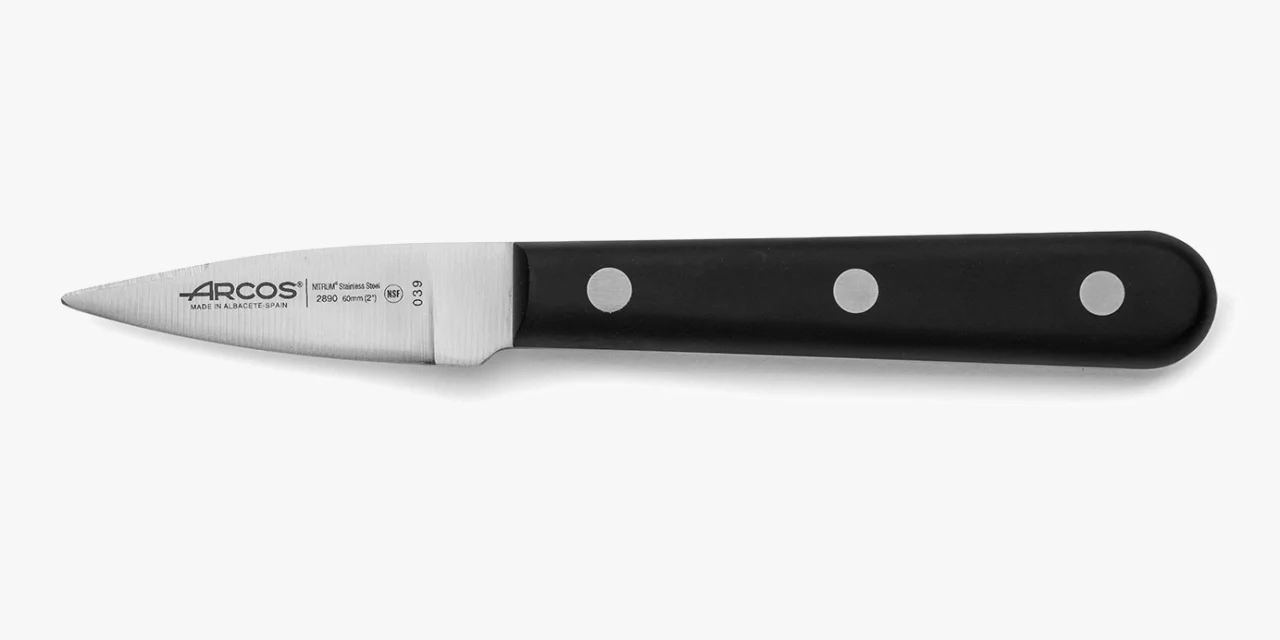
The tools you use are key to opening an oyster easily and safely. It’s best to use a short, sturdy oyster knife with a sharp point. One of these is included in the special seafood set we suggested at the beginning of this guide.
Now that you have the most important tools close at hand, you will need to follow these steps:
- Position the oyster correctly: place it on a non-slip cutting board, with the flatter side facing up and the hinge (the pointed end) facing your main hand. For added safety, remember to cover the oyster with a cloth or use the oyster holder included in the set.
- Insert the knife into the hinge: very gently insert the tip of the knife into the hinge. You don’t need to apply much force; it’s more important that you find the natural gap between the two shells and pry it open.
- Give the knife a slight twist: now that the tip is firmly inside the hinge, gently rotate your wrist. This movement will allow the shell to “click” and begin to open.
- Slide the knife to cut the muscle: From here, slide the knife along the inside top of the shell to cut the adductor muscle that keeps the oyster closed. Do this very gently so as not to lose the “water” inside; this part is essential for maintaining its characteristic flavor.
- Remove the top shell: With the muscle already cut, lift the top shell. Keep the oyster horizontal at all times to preserve its juices.
- Release the meat: cut the lower muscle to separate the meat from the base and get to the best part: enjoying this delicacy.
In addition to following these steps, there are several tips that will help you open oysters much more easily and safely. These range from using the right tools and not falling for the myths about using a regular knife, to placing a damp cloth under the board, focusing more on twisting than force, and, as we mentioned, always checking that the oyster is alive before eating it.
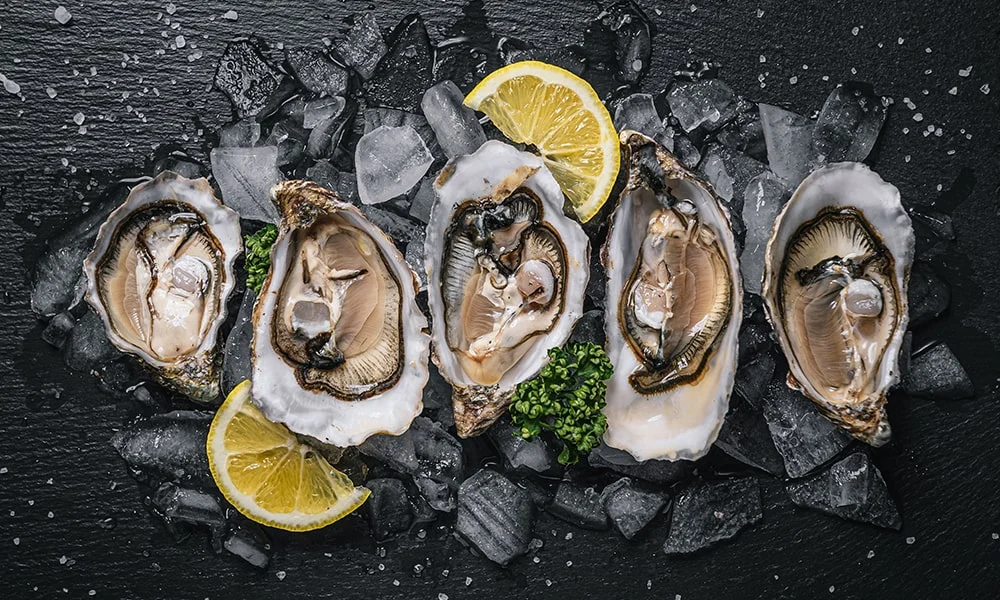
Common mistakes when opening oysters (and how to avoid them)
Learning to open oysters correctly also means learning to avoid some common mistakes. We’ll explain the most frequent ones so you can identify them and avoid them.
The first and most common mistake is trying to open them from the sides. Wrong! The hinge is the only part of the oyster that allows access to its interior without breaking the shell. Don’t forget that!
It’s quite common to end up handling the oyster too roughly, which can unintentionally damage the mollusk’s texture. Again, try to avoid this as much as possible.
Remember how important it is to have tools specifically designed for opening oysters: a sturdy knife, tongs, and a non-slip seafood board. The perfect set for those who want to enjoy this gourmet appetizer at home.
Now that you’ve learned how to open an oyster, it’s time to savor this delicious delicacy like never before. However, do so with great care, protection on your hands, and the appropriate set of tools for the job.
Tal vez también te interese:
Ceramic non-stick frying pan: how non-stick coatings have evolved and what you should look for before buying
In current collections such as the Samoa professional series, the main focus is for these pans to combine good heat distribution, a modern non-stick coating, and ease and comfort in handling.

How to open an oyster correctly
Learn how to open a fresh oyster step by step, safely and effortlessly. Discover the professional technique and the perfect tools to enjoy the finest seafood at home.
How to cook with a steel pan
Discover how to cook with a stainless steel pan without food sticking. Learn temperature and oil tricks, plus techniques for meat, fish, vegetables and eggs like a professional chef.