
Annual checklist for knives and frying pans: how to know what to replace in your kitchen
As always, one day you open your kitchen drawer, pick up your favourite knife and suddenly realise something is not right. It does not cut the same, it keeps slipping over vegetables, the frying pan has started to stick and even your peeler no longer works as it used to. It feels like everything is going wrong. And then the question pops into your head: should I fix this, or is it time to replace it?
You have probably noticed that most kitchens run “on autopilot” without any real review. We use the same utensils for years without checking their condition or paying much attention to them. Until one day we begin to realise that they no longer perform as they once did and have lost that first-day quality. Just as you service your car or switch your wardrobe with the seasons, your kitchen also needs a tune-up from time to time. Carrying out one review a year can make a big difference. It will not only help you cook better, but also save time, stay organised and make better decisions.
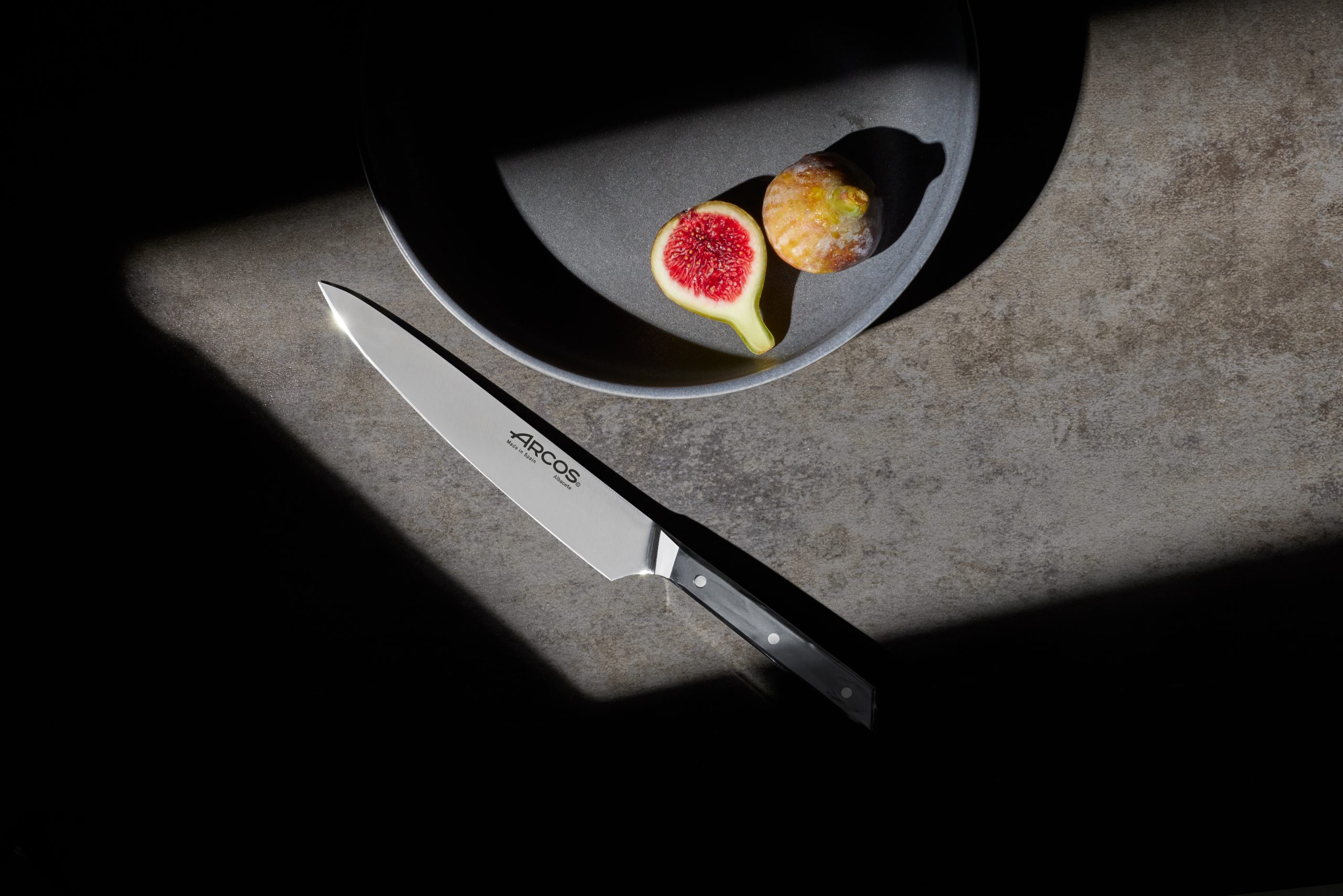
Reviewing your kitchen: a small step that can make a big difference
Spending just a few minutes a year checking your utensils can completely change your cooking experience. Ideally, do it before autumn or just after summer, using a short checklist.
The first place to start is with your knives, which are probably the tools you use the most and among the most important. If you begin to notice that your knife slips when cutting soft foods such as tomatoes or onions, it has most likely lost its edge. It is also important to look at the handle: if it is worn or no longer feels completely secure, it can become a safety issue. Do not take that risk. The blade also gives us clear clues. Small chips, dents or even signs of rust are all signs that it needs attention.
The same goes for frying pans. If you notice food starting to stick or visible scratches on the surface, that is a clear sign that the non-stick coating is no longer performing as it should. Sometimes you can notice it in the cooking itself too: areas that heat more than others or slightly uneven results. These are small details that, when they start to add up, tell us it is time to act and replace them.
Sharpen, repair or replace: how to make the right decision
One of the questions we ask ourselves most often is whether it is worth keeping that utensil or whether it would be better to replace it with a new one. In the case of knives, in many situations sharpening is more than enough.
If you are wondering how often you should sharpen a knife, the answer depends on how much you use it. But as a general guideline, in a home kitchen it is usually enough to do it a couple of times a year. No more, no less. If you cook very often, you may need to do it more frequently. This is part of proper knife maintenance and what allows them to stay in excellent condition for more or fewer years.
It is worth sharpening a knife whenever it is of good quality, the blade is in good condition and the issue is simply that it has lost its edge. If that is not the case, it will not be worth the effort, and it may be the right time to replace that kitchen tool.
When it comes to frying pans, the decision is usually a little clearer. If the non-stick coating is already worn out and food sticks day after day, do not overthink it: it is time to replace it. There is no exact date here, only the moment when it no longer performs its main function.
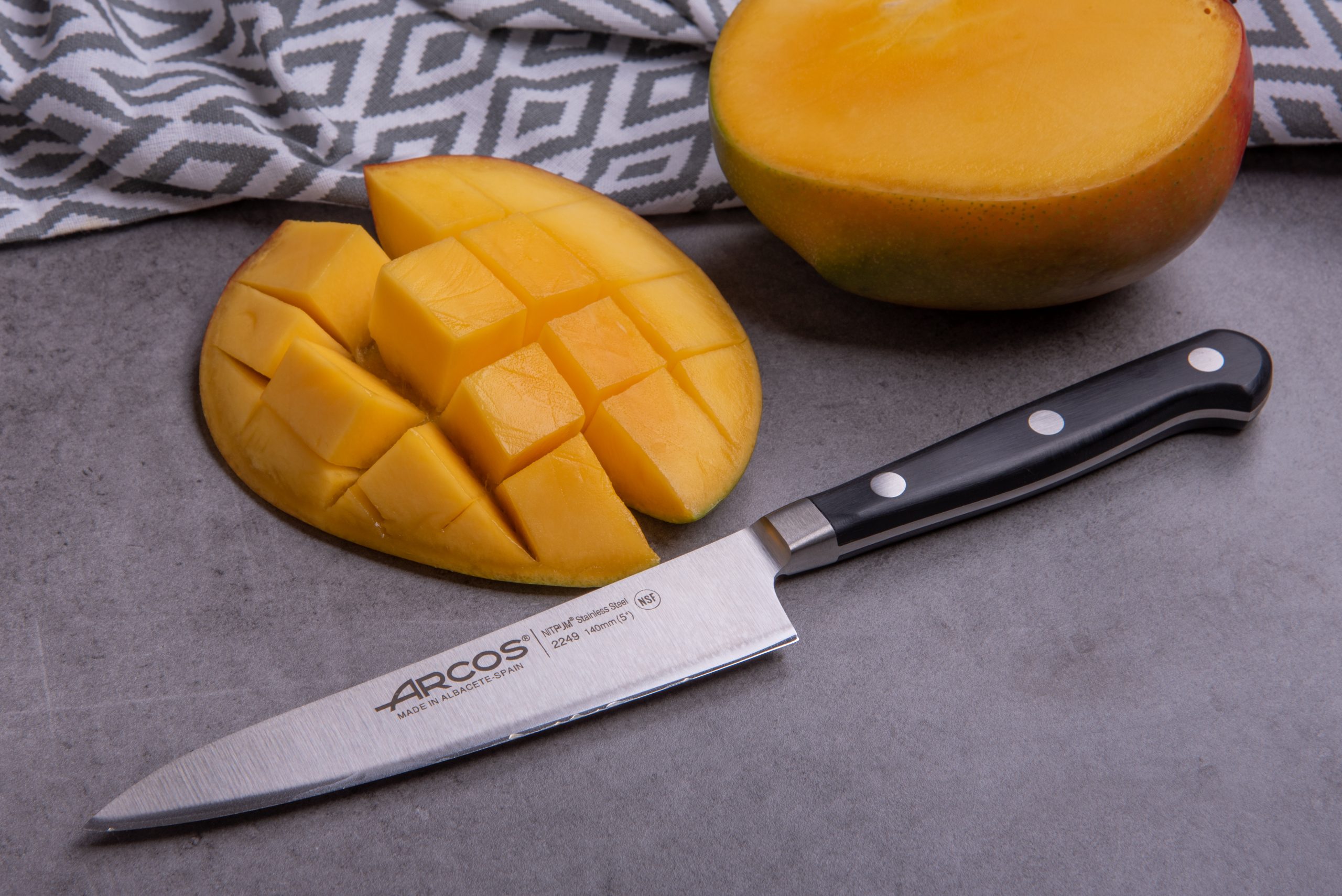
Where to begin: renewing your utensils wisely and in stages
Do not worry, there is no need to replace your whole kitchen at once. In fact, the best approach is to do it strategically, starting with the items that can truly make a difference in your day-to-day cooking.
The first item you should check is your main knife, whether that is a chef’s knife or a Santoku. It is the tool you use most and the one that has the greatest impact on your cooking experience. After that comes your main frying pan, especially the one you use every day. Remember that a frying pan in poor condition will directly affect the results of your dishes.
From there, there are other items you should review and replace, such as your cutting board, bread knife or peeler, so you can complete your basic kitchen utensil set.
To avoid impulse purchases or unnecessary spending, our advice is to plan replacements in stages. A practical quarterly plan works well. For example, quarter one can focus on your main knife and sharpener, quarter two on your frying pan, quarter three on your cutting board and peeler, and quarter four on your new bread knife and other kitchen accessories. With this system, you can spread out the investment, avoid overspending and improve your kitchen progressively.
Maintenance is also an investment
Keep in mind that many times it is not about buying more, but about taking care of and improving what you already have. So try to keep your knives sharp, protect your accessories and use magnetic bars or knife blocks to avoid knocks that could damage them.
Your kitchen does not need to be perfect all the time, but with an annual review you will be able to detect what no longer works, decide strategically whether to sharpen, repair or replace, prioritise what matters and renew without overspending. Take a look at the Arcos collection of knives and kitchen accessories and treat yourself to new tools in the coming days.
This article is your ultimate guide: a simple annual checklist to review knives and frying pans, decide what is worth keeping, repairing or replacing, and plan a smart renewal without spending more than necessary
Tal vez también te interese:
Arcos Non-Toxic: Our Guide to Toxin-Free Cookin
We are becoming increasingly conscious of our diet. We read food labels over and over, look for higher-quality ingredients, opt for organic products, and try to maintain a balanced diet. However, there is still one aspect of our cooking that we often overlook: choosing the right cooking utensils.
Types of knife holders for different kitchens
Durante años, los cuchillos han estado siempre fuera del alcance de cualquiera que pasará por nuestra cocina. Es más, solo los veíamos justo cuando nos tocaba utilizarlos. Pero esto está cambiando por completo, solo hay que echar una simple vista en las cocinas modernas para ver que hoy ya están completamente integradas en su diseño, ocupando incluso un lugar protagonista en nuestras encimeras.
Types of honing steels: when and how to use the one you need
At some point in a knife’s lifespan, it stops cutting as well as it did when it was first used.