
The steel that brings every Arcos knife to life
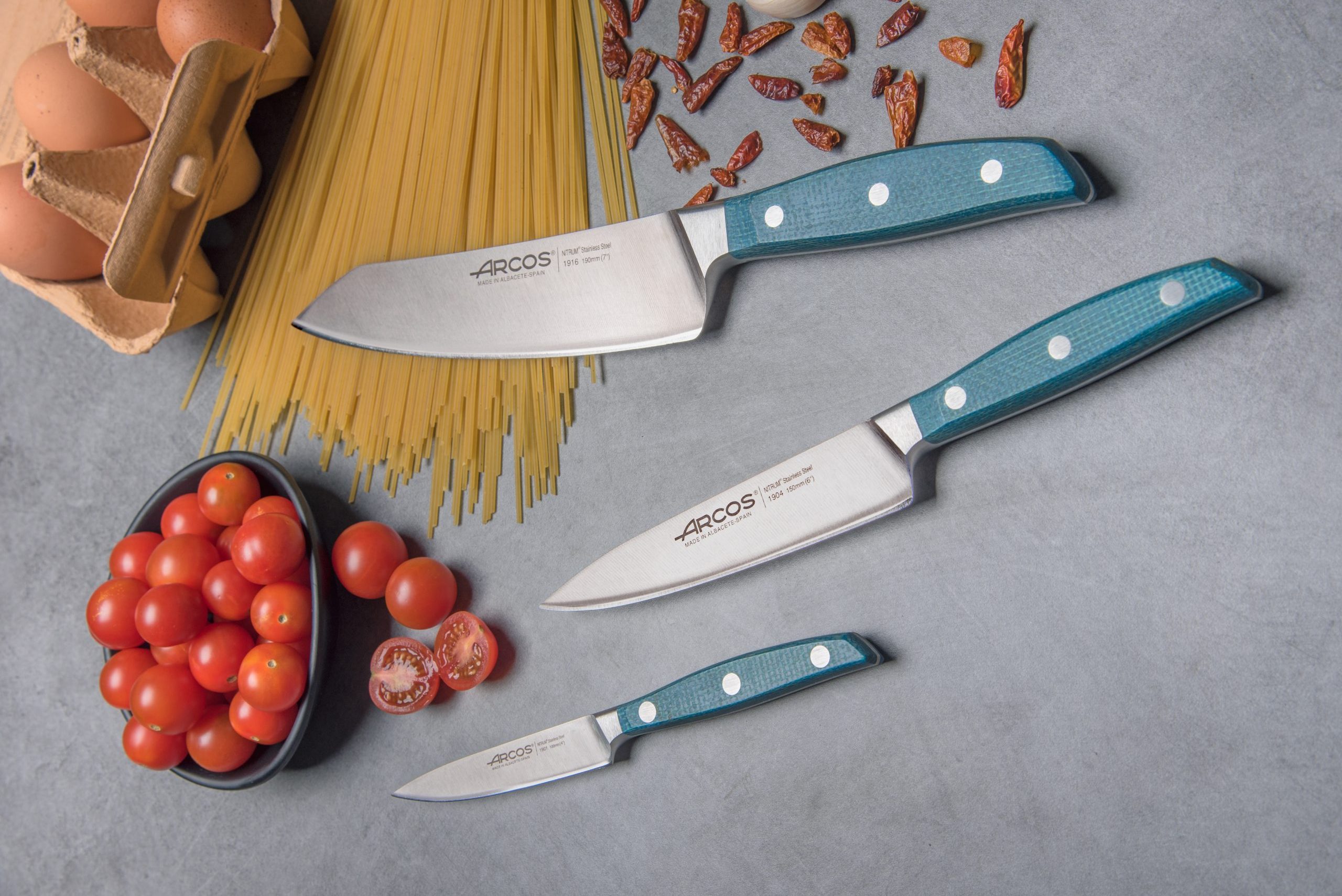
We use high-quality martensitic stainless steel, enriched with nitrogen in our exclusive NITRUM® formula to achieve knives that are harder, with greater cutting power, a longer-lasting edge and better corrosion resistance than standard stainless steel.
What is stainless steel?
Steel is an alloy of iron and carbon that naturally tends to corrode as the carbon reacts with oxygen in the environment. To improve its resistance, chromium is added to the composition, resulting in stainless steel, a solid material (not a coating) that forms a protective layer on the surface and prevents the iron from corroding.
Thanks to its smooth, non-porous surface, stainless steel is very hygienic, easy to clean, and does not alter the taste or smell of food, which is why it is widely used in professional kitchens, hospitals, and laboratories. Furthermore, it maintains a good aesthetic appearance, does not chip or tarnish over time, and withstands extreme temperatures well.
Types of stainless steel
There are three main families of stainless steels with very different uses in the kitchen. Each combines elements such as chromium, carbon, and nickel in different ways, which modifies its hardness, corrosion resistance, and magnetic properties.
- Austenitic stainless steel (18/10): highly resistant to corrosion, excellent for hygiene, non-magnetic, and of low hardness; it is used in pots, cutlery (forks and spoons), trays, etc. It is the classic “18/10” due to its approximate content of 18% chromium and 10% nickel.
- Ferritic stainless steel: offers good corrosion resistance, is magnetic, and has low hardness; it is used in appliance housings, washing machine drums, and beer kegs.
- Martensitic stainless steel: contains more carbon, which allows it to be tempered to achieve the necessary hardness for cutting; it is magnetic and, although somewhat less resistant to corrosion than the previous ones, it is suitable for quality cutlery.
Why do we use martensitic steel?
A professional knife needs hardness, cutting ability, and edge retention—properties only achievable with a hardenable steel like martensitic steel. With its appropriate carbon content, this steel can undergo heat treatment (quenching and tempering) that gives it the optimal hardness for everyday kitchen use.
Therefore, while forks and spoons are made of 18/10 austenitic steel, ARCOS knives are made of magnetic martensitic stainless steel. This makes them easily distinguishable from some cutlery manufacturers who produce knives in the same 18/10 steel as their cutlery, which has very little or no carbon, cannot be hardened, and barely cuts.

NITRUM®: our exclusive steel
Based on martensitic stainless steel, ARCOS developed the special NITRUM® formula, registered by the brand. This steel has nitrogen added to modify the traditional microstructure of the knife, reducing carbides and replacing them with nitrides.
This microstructural change provides several key advantages for everyday use in the kitchen:
- Greater hardness: the knife better withstands intensive use and mechanical stress.
Greater cutting power: the edge penetrates food more effectively and requires less effort from the user. - Greater edge durability: the knife stays sharp longer, reducing the frequency of sharpening.
- Improved corrosion resistance: the partial replacement of carbides with nitrides enhances resistance to oxidation.
A more sustainable steel
The nitrogen incorporated into NITRUM® steel comes directly from the air, which contains approximately 75% of this gas, eliminating the need for mining operations. The nitrogen enrichment process has no negative impact on air, water, or soil, making it an environmentally friendly technology.
In this way, NITRUM® martensitic stainless steel combines professional performance (cutting ability, hardness, durability) with improved corrosion resistance and a more environmentally responsible approach. This results in more efficient, durable, and reliable knives, designed for demanding kitchens, both home and professional.
Maybe you’re also interested in:

New ARCOS Knife Block Collection: A Proposition Designed to Bring Order, Value and Differentiation to Retail
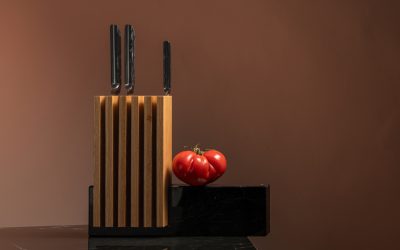
The kitchenware market is evolving. Consumers are no longer looking solely for functional products: they expect solutions that help them organise their kitchens, complement their personal style and convey quality at first glance. For retail purchasing managers, this evolution means building categories capable of addressing different customer profiles, price points and purchasing occasions without losing coherence or making the assortment unnecessarily complex.
Designing the Knife the Industry Needs: Technical Adaptation, Innovation and Production for Every Process
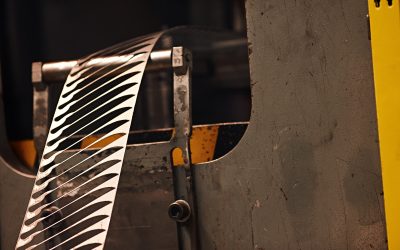
In the food industry, a knife is not simply a cutting tool. It is an integral part of the production process, and its performance directly affects productivity, safety, hygiene, consistency of results and operating costs.
Design as a Driver of Value in Retail: From Creative Collaboration to End-Consumer Demand
In retail, design is too often mistaken for the aesthetic layer added at the end of the process. Colours, shapes and finishes are discussed once the product has already been defined and all that remains is to make it more appealing. However, design that truly creates value begins much earlier. It influences function, ergonomics, materials, the way the range is structured, product presentation, brand storytelling and the experience consumers have from their first interaction through to everyday use.